
The Origins of Taekwondo
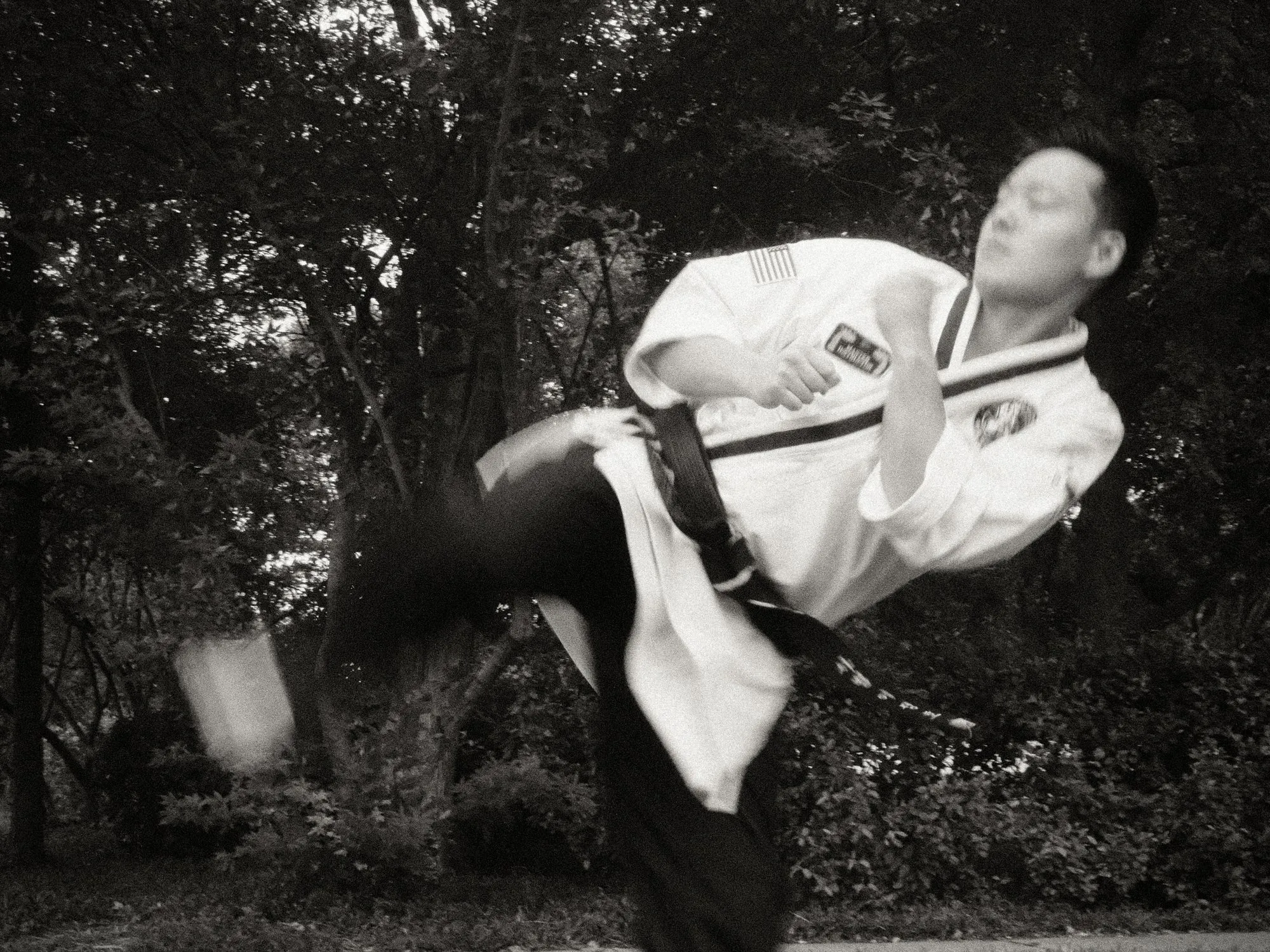
Known for its lightning-fast kicks, explosive power, and extraordinary displays of balance and agility, Taekwondo has developed a distinctive identity and reputation as one of the world's most popular martial arts. Yet behind its impressive techniques lies a rich Korean heritage and a philosophy that extends far beyond physical combat.
The name Taekwondo translates to "the way of the foot and fist." Developed into its modern form in Korea during the mid-twentieth century, Taekwondo draws upon Korean martial traditions and influences from other fighting disciplines. What emerged was a martial art distinguished by its emphasis on powerful kicking techniques, precise footwork, and the ability to generate remarkable force through speed and coordinated movement.
At the heart of Taekwondo lies a belief that learning to defend oneself should go hand in hand with learning to master oneself. Strength without self-control, confidence without humility, and skill without responsibility fall short of the ideals Taekwondo seeks to instill. Its guiding principles challenge students to develop not only their physical abilities, but also the character behind them. This union of physical excellence and personal discipline has helped Taekwondo grow far beyond its Korean origins, bringing its traditions and teachings to millions of practitioners around the world.
Taekwondo in the Modern Era
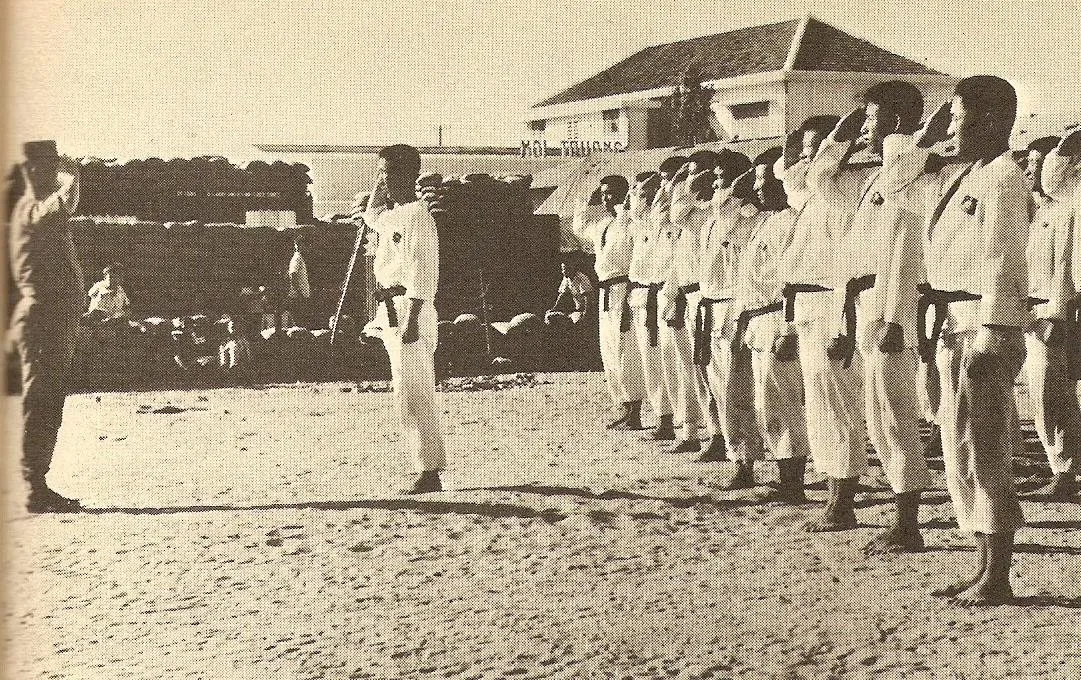
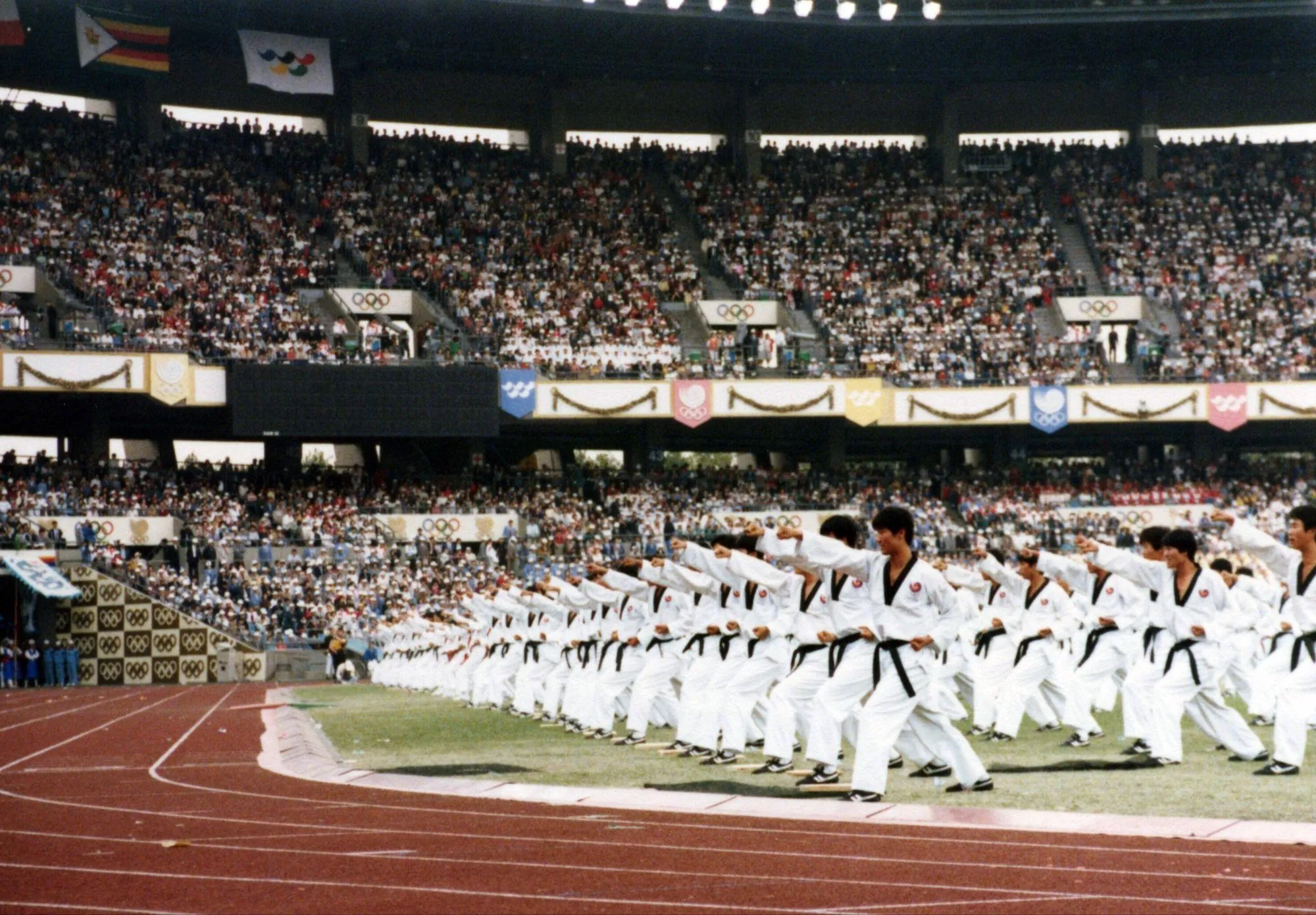
From the training halls of a war-torn Korea to the grand stage of the Olympic Games, Taekwondo's rise has been nothing short of extraordinary. What began as a developing Korean martial art has become a global phenomenon, practiced by millions of children and adults around the world.
Yet with this remarkable growth came an unexpected challenge. As Taekwondo became increasingly popular and accessible, the distinction between entertainment and education, advancement and genuine achievement, began to blur. This evolution raised important questions about preserving the martial art's technical standards, practical self-defense applications, and traditional discipline.
What is the value of earning a black belt if the skills, discipline, and character it represents have never truly been developed?
This question lies at the heart of one of the most important responsibilities facing modern Taekwondo educators: preserving the integrity of the martial art while preparing students for the challenges of an ever-changing world.
Choosing the Right Academy
To someone unfamiliar with martial arts, two Taekwondo schools may appear nearly identical. Both may have instructors wearing black belts, students practicing kicks, and walls displaying trophies. Yet behind these similarities can exist remarkably different philosophies, expectations, and standards of instruction that ultimately shape a student's educational experience and development.
The right academy should challenge students to achieve more than they ever thought possible. Beyond teaching kicks, punches, and self-defense, exceptional instructors have the opportunity to shape how students carry themselves, overcome adversity, and approach the world around them. Such an education demands more than an engaging class; it requires experienced instructors, a thoughtfully developed curriculum, safe and professional training facilities, and a steadfast commitment to every student's growth and well-being.
Choosing the right academy is about more than convenience or tuition. Taekwondo should never be viewed as simply another activity to fill a child's schedule, but as an investment in the confidence, character, and leadership they will carry throughout their lives.
The Lee Family Approach
For over two decades, the Lee family has dedicated itself to teaching Taekwondo at the highest standard. What began under the leadership of Grandmaster J. Lee, a former Korean military officer and Taekwondo instructor, has evolved into a family legacy built upon traditional discipline, competitive excellence, and a steadfast commitment to developing the next generation of leaders.
Carried forward by nationally accomplished martial artists who have trained under former World Champions and Olympic coaches, the Lee family's philosophy extends far beyond developing skilled black belts. Over the years, the family has had the privilege of watching students who first stepped onto the mats at a young age grow into remarkable individuals, pursuing their aspirations at prestigious universities and military academies, building distinguished careers, and making meaningful contributions to their communities.
Today, Master Lee's Taekwondo carries this legacy forward through exceptional instruction, practical self-defense, purposeful character development, and an emphasis on student safety. Our greatest ambition is not simply to teach students how to earn a black belt, but to develop the confidence, character, and leadership to live like one.